 SHORNAS BLOG
How Much Does a Trip to Malaysia Cost? A Complete Budget Guide
Planning a trip to Malaysia? See estimated daily costs for budget and mid-range travel, plus hotel, food, transport and activity prices for Kuala Lumpur, Penang and beyond.
Malaysia mixes modern cities, historic towns, rainforests and beautiful islands, all with a famous food culture. It is popular with travelers who want variety without spending too much. But what will a trip actually cost? This guide gives rough estimates so you can plan your budget.
All prices are approximate, in US dollars, and can change with the season, exchange rates and where you go. Check current prices before you book.
Quick budget overview (per person, per day, flights not included)
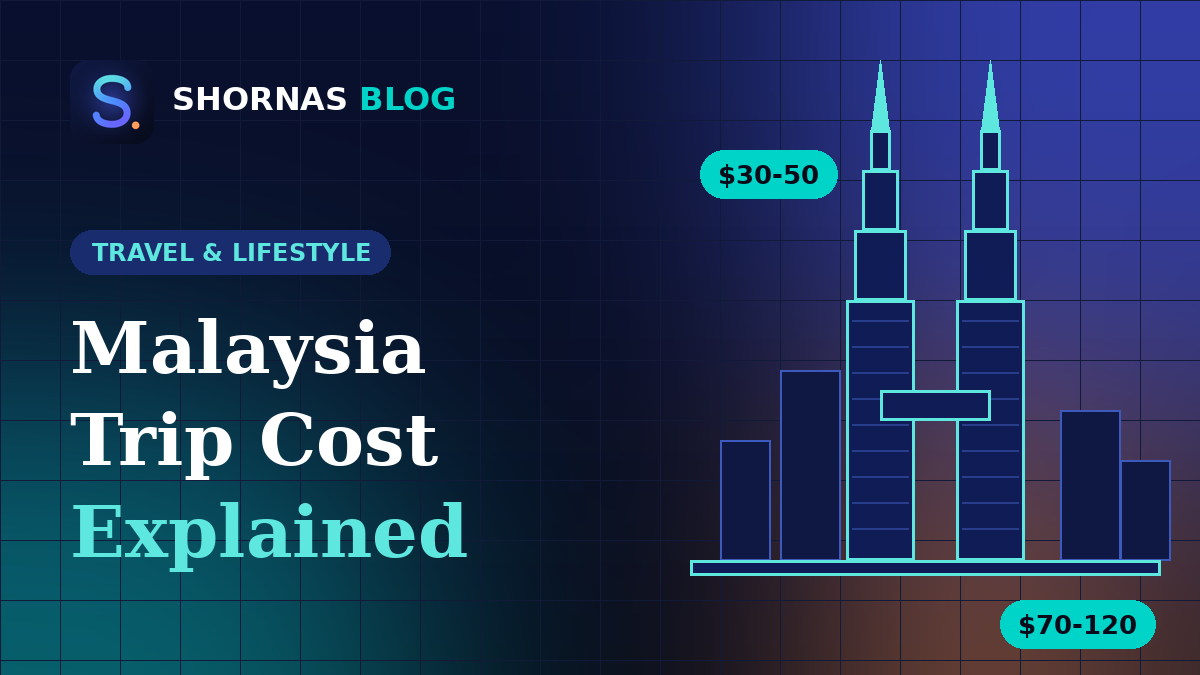
Budget traveler: about $30 to $50 per day. Hostels or simple guesthouses, hawker food, public transport and free or cheap attractions.
Mid-range traveler: about $70 to $120 per day. Private rooms in 3-star hotels, a mix of street food and restaurants, ride apps and a few tours.
Comfort and luxury: higher, depending on the hotels and activities you choose.
Sample trip budgets
One week (Kuala Lumpur and Penang), budget style: roughly $250 to $400 per person, excluding flights.
Ten days, mid-range style: roughly $800 to $1,200 per person, excluding flights.
The biggest extra cost is often your flight. Read our tips on how to find cheap flights before you book.
Accommodation costs
Hostel dorm bed: roughly $10 to $17 per night, sometimes more in very central places.
Budget guesthouse or simple hotel room: roughly $20 to $35 per night.
Mid-range hotel (3 to 4 star): roughly $35 to $100 per night. Kuala Lumpur is often at the higher end, while smaller cities such as Ipoh and Malacca are usually cheaper.
Luxury hotel: $120 or more per night.
Food costs
Malaysia is a food lover's paradise, and eating well does not have to be expensive.
Hawker stalls and local coffee shops: about $2 to $5 per meal.
Mid-range restaurants: about $8 to $15 per person.
Upscale dining: $20 or more per person.
Alcohol is usually expensive in Malaysia, so budget extra if you drink. Many local places serve no alcohol at all.
Transport costs
City trains (LRT, MRT and monorail) in Kuala Lumpur: only a few ringgit per ride.
Ride-hailing apps: convenient and often cheaper than traditional taxis.
Long-distance buses: comfortable and usually cost much less than flights. A multi-hour coach ride can cost around $15 or less.
Domestic flights: good for reaching islands or Borneo, and can be affordable when booked early.
Free city buses: Kuala Lumpur has free routes around the city center that help you save on short trips. Check the current routes before relying on them.
Activities and attractions
Many of Malaysia's best experiences are free or cheap, such as street art, night markets, temples, parks and heritage walks. Some paid activities include:
Museums and caves: usually modest entry fees.
Island trips and snorkeling: prices vary by location.
Borneo wildlife and jungle tours: noticeably more expensive than peninsular Malaysia, often by a large margin.
Prices on popular islands, such as the Perhentian Islands, tend to be higher.
Where to go and how costs differ
Kuala Lumpur: the capital, with great food, shopping and public transport. Costs are moderate.
Penang (George Town): famous for food and heritage streets, with plenty of cheap and mid-range stays.
Malacca and Ipoh: historic and often very good value.
Langkawi and the islands: beautiful beaches, but prices are higher in peak season.
Borneo (Sabah and Sarawak): amazing nature, but activities and flights can add up.
Hidden and extra costs
Entry rules: visa, arrival card and passport rules depend on your nationality and can change. Check the official Malaysian immigration website and your airline before you travel.
Travel insurance: strongly recommended.
Mobile data: international roaming can be very expensive. A local SIM or eSIM is usually much cheaper.
Bank and ATM fees: check your bank's foreign withdrawal charges and use the local currency, the ringgit.
Shopping: set a limit so you do not overspend on souvenirs.
Best time to visit
Malaysia is warm all year, with rain at different times in different regions. The west coast and the east coast have different weather patterns, and some east coast islands close in the rainy season. Check the weather for the specific area and month you plan to travel. Festival periods and school holidays can raise prices.
Money-saving tips for Malaysia
1. Eat at hawker centers and local coffee shops.
2. Use public transport and ride apps instead of private cars.
3. Choose smaller cities such as Ipoh and Malacca for cheaper stays.
4. Book flights and island transport early.
5. Use a local SIM or eSIM instead of roaming.
6. Compare tour prices from more than one provider.
7. Plan the whole budget using our guide to planning a budget-friendly trip.
You may also like our Thailand trip cost guide if you are planning a longer Southeast Asia journey.
Common mistakes to avoid
Only staying in the capital. Smaller towns can be cheaper and very rewarding.
Ignoring cultural customs. Dress modestly at religious sites and follow local etiquette.
Not checking the weather. Island trips can be affected by the rainy season.
Paying for roaming. Use a local data option instead.
Skipping insurance. Medical costs can be high.
Final thoughts
Malaysia offers excellent value, especially for food, public transport and cultural experiences. Decide your travel style, add flights, insurance and extras, and keep a little money for surprises. With a clear plan, you can enjoy a wonderful trip without overspending.


Comments (0)