 SHORNAS BLOG
How Much Does a Trip to Nepal Cost? A Complete Budget Guide
Planning a Nepal trip? See estimated daily costs for budget and mid-range travel, plus hotels, food, transport, trekking costs, permits, insurance and money-saving tips.
Nepal is known for the Himalayas, ancient temples, lively cities and warm hospitality, and it is also one of the more affordable travel destinations. But the final cost depends on whether you stay in cities, trek in the mountains or do both. This guide gives approximate costs so you can plan with confidence.
All prices are rough estimates in US dollars and can change with the season, exchange rates, your travel style and local rules. Always check current prices and official requirements before you book.
Quick budget overview (per person, per day, flights not included)
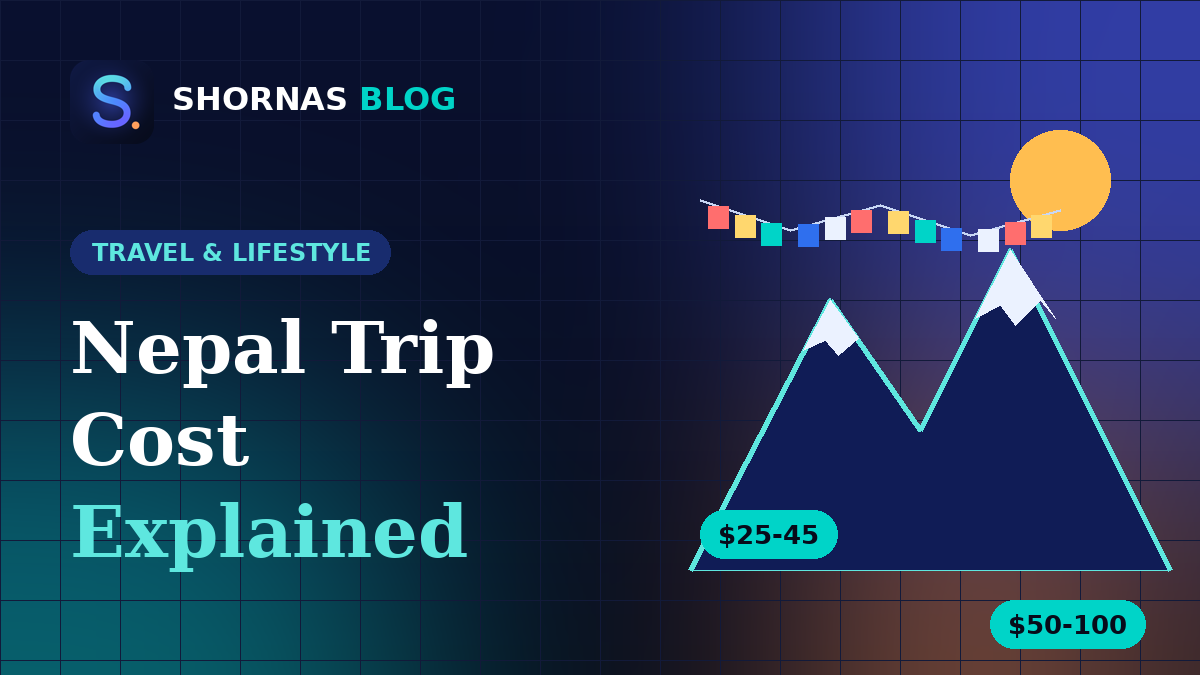
Budget traveler: about $25 to $45 per day. Hostels or simple guesthouses, local food, public transport and mostly low-cost sights.
Mid-range traveler: about $50 to $100 per day. Comfortable private rooms, restaurant meals, taxis or ride apps and some paid activities.
Trekking: costs differ and are explained in a separate section below.
Sample trip budgets (excluding international flights)
One week in Kathmandu and Pokhara, budget style: roughly $200 to $350 per person.
Two weeks of sightseeing, mid-range style: roughly $700 to $1,400 per person.
Two weeks with a short trek included: often around $950 to $1,500 per person, depending on the route and services you choose.
Your flight can be a large part of the total. Read our tips on how to find cheap flights before you book.
Accommodation costs
Hostel dorm bed: roughly $5 to $12 per night.
Simple guesthouse or budget hotel room: roughly $15 to $30 per night.
Mid-range hotel: roughly $35 to $90 per night, often with breakfast.
Luxury hotel or lodge: well above $100 per night.
Tourist areas such as Thamel in Kathmandu and the lakeside in Pokhara have many options for every budget. Prices can rise in peak trekking seasons.
Food costs
Local food is cheap and filling. The famous dal bhat, which is rice with lentil soup and vegetables, is a staple.
Local eateries: about $2 to $5 per meal.
Tourist restaurants and cafes: about $5 to $12 per meal.
Upscale dining: $15 or more per person.
A comfortable food budget for many travelers is around $10 to $15 per day. Choose clean, busy places, drink bottled or properly purified water and be careful with raw salads and street food if you have a sensitive stomach.
Transport costs
Local buses and microbuses: very cheap, but crowded and slow.
Taxis and ride apps: convenient in cities. Agree on the price first if there is no meter.
Kathmandu to Pokhara by tourist bus: roughly $10 to $25, depending on the vehicle and service. A local bus can be cheaper but less comfortable.
Kathmandu to Pokhara by domestic flight: several times more expensive than the bus, but saves hours.
Road journeys in Nepal can take longer than expected because of traffic, mountain roads and weather, so leave extra time.
Sightseeing and activities
Many of Nepal's best experiences are free or inexpensive, such as walking through old city streets, watching sunrise from a viewpoint or visiting local markets. Some entry fees apply for major heritage sites and national parks, and fees for foreign visitors are often higher than for locals. Paid activities such as paragliding, rafting, jungle safaris and guided tours can add up, so choose your top few.
Trekking costs
Trekking is a highlight for many visitors, and costs vary a lot by route and length.
Budget trekking: roughly $35 to $60 per day when you use basic teahouses, local food and shared services.
Standard trekking: roughly $60 to $120 per day with comfortable lodges, a guide and more convenience.
Comfortable or luxury trekking: $150 or more per day.
Licensed guide: often about $25 to $35 per day, and a porter about $18 to $28 per day, with extra for their food and lodging in many cases.
Permits and fees: they depend on the region and can change. Rules about guides and permits have also changed in recent years, so check the latest requirements with the official Nepal tourism authorities or a licensed trekking company before you plan.
Gear: renting items such as sleeping bags and down jackets in Kathmandu or Pokhara is usually cheaper than buying.
Safety: never skip rest days for altitude, and do not trek without proper preparation. Altitude sickness can be serious. Higher treks may need helicopters or evacuation, which is very expensive without insurance.
Hidden and extra costs
Visa: the tourist visa is a separate cost and depends on how long you stay and your nationality. Check the official Nepal immigration website.
Travel insurance: strongly recommended, and essential for trekking at altitude. Check that it covers the altitude and activities you plan.
Tips: tipping guides, porters and drivers is customary and appreciated.
SIM card and data: a local SIM or eSIM is usually cheaper than roaming.
Extra days: flights and roads can be delayed by weather, so keep some flexibility and extra budget.
Medical preparation: speak to a doctor or travel clinic before your trip about recommended vaccines and health advice.
Best time to visit
Many travelers prefer autumn and spring for clearer skies and comfortable weather, especially for trekking, but these seasons are also busier and prices can be higher. The monsoon season brings heavy rain, landslides and flight disruptions, but also fewer crowds and lower prices in some places. Choose the time that suits your plans, and check weather conditions for your specific region.
Money-saving tips for Nepal
1. Eat local food such as dal bhat and small family-run restaurants.
2. Use public transport for short trips, and book tourist buses for long routes.
3. Rent trekking gear instead of buying it.
4. Travel with a partner or a small group to share guide and room costs.
5. Avoid peak-season prices when your dates are flexible.
6. Carry a water bottle and purification tablets or a filter.
7. Plan your total spending with our guide to planning a budget-friendly trip.
You may also like our cost guides for Thailand, Malaysia and Dubai.
Respect local culture
Nepal is rich in religious and cultural traditions. Dress modestly at temples, remove shoes where required, ask before photographing people, avoid touching sacred objects without permission and follow local customs. Keep nature clean by carrying out your trash and avoiding single-use plastic where you can.
Common mistakes to avoid
Underestimating travel time. Plan extra days in your schedule.
Skipping insurance. Medical care and evacuation can be very costly.
Trekking too fast. Give your body time to adjust to altitude.
Not checking current rules. Visa, permit and guide rules can change.
Using unlicensed operators. Choose registered and well-reviewed companies.
Final thoughts
Nepal can fit a small budget or a more comfortable holiday. Decide whether you want to explore cities, trek in the mountains or do both, add the cost of flights, insurance and permits, and keep a cushion for delays. With careful planning and respect for the people and the environment, you can have an unforgettable trip.


Comments (0)