 SHORNAS BLOG
What Is Dropshipping? How It Works, Costs and Whether It Is Worth It
Curious about dropshipping? Learn how it works, the real costs and risks, how to start step by step and the mistakes beginners should avoid before spending money.
Dropshipping is one of the most talked-about online business models, and many beginners search for it hoping to start with little money. But it is not a shortcut to quick profit. This guide explains what dropshipping is, how it works, what it really costs and whether it might suit you.
What is dropshipping?
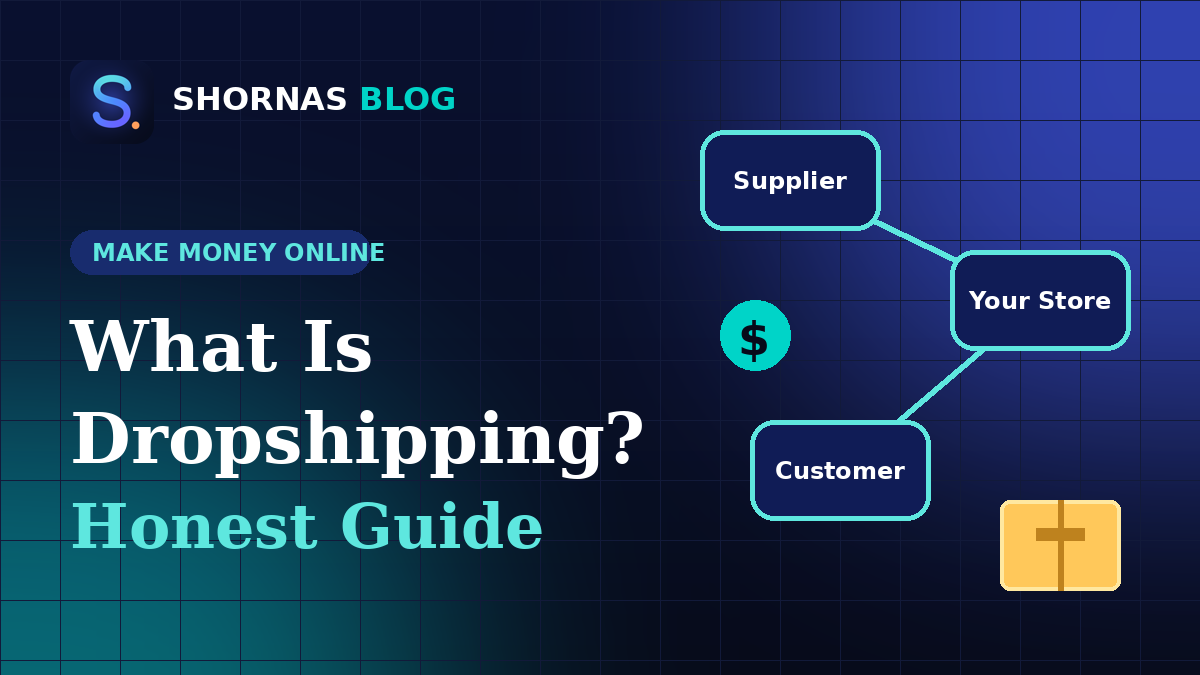
Dropshipping is a way of selling products online without keeping stock yourself. You run an online store and list products from a supplier. When a customer buys, you pass the order to the supplier, who packs and ships the product directly to the customer. You earn the difference between the price you charge and the price you pay the supplier.
How it works step by step
1. A customer finds your store and orders a product.
2. The customer pays you the selling price.
3. You send the order and the customer's address to your supplier and pay the supplier's price.
4. The supplier ships the product to your customer.
5. You keep the profit and handle customer questions, refunds and marketing.
Why people like it
Lower starting costs: you do not need to buy a large amount of stock in advance.
Flexible: you can run a store from anywhere with an internet connection.
Easy to test: you can try different products without storing them.
The real challenges
Low profit margins. Many products are sold by many stores, which pushes prices down.
High competition. Popular products are easy to copy.
Marketing costs. You still need to bring visitors to your store, often through paid ads or content, and ad costs can eat your profit.
Little control over quality and delivery. If the supplier ships late or sends poor products, your customer blames you.
Customer service and refunds. You handle complaints even though you never touched the product.
Rules and fees. Payment platforms, marketplaces, shipping and taxes all have rules and costs.
What does it cost to start?
There is no fixed number. Typical costs include:
Store platform or website: a monthly fee or hosting cost.
Domain name and branding.
Product samples: ordering a sample helps you check quality.
Marketing budget: this is often the biggest cost.
Payment processing fees on each sale.
Prices change, so check each service's current pricing before you start.
How to start step by step
Step 1: Choose a niche
Pick a specific group of customers, such as pet owners, home organizers or fitness beginners. A focused niche is easier to market than a general store that sells everything.
Step 2: Research products and demand
Look for products that solve a real problem, are not too fragile and have healthy margins after all costs. Check what competitors charge and what customers say in reviews.
Step 3: Find reliable suppliers
Use well-reviewed suppliers and order samples to test quality and shipping time. Ask about return policies, delivery times to your customers' countries and communication. Avoid suppliers with no contact details or very poor reviews.
Step 4: Build your store
Choose a simple, trustworthy design. Write your own clear product descriptions, take or request clear photos and state shipping times and return rules honestly. Add contact details, a privacy policy and terms so visitors can trust you.
Step 5: Set fair prices
Calculate your total cost: product price, shipping, payment fees, refunds and marketing. Then set a price that leaves a real profit and is acceptable to customers.
Step 6: Bring visitors to your store
Options include content such as blogs and videos, social media pages, email lists and paid advertising. Paid ads can bring traffic quickly, but beginners can lose money without testing carefully. Start with a very small budget. You can learn the basics in our guide on what online advertising is, and explore ad networks such as Shornas Ads if you want to advertise or earn as a publisher. For free traffic, read our tips on growing on social media.
Step 7: Serve your customers well
Reply to messages quickly, track orders and solve problems politely. Good service leads to repeat customers and good reviews, which matter a lot for a new store.
Step 8: Measure and improve
Track visitors, orders, ad costs, refunds and profit. Remove products that do not sell and improve the ones that do.
Is dropshipping legal?
Yes, in many places, but you must follow the laws and platform rules that apply to you, including business registration, taxes, consumer protection and product safety. Do not sell fake, copied or banned items. Rules differ by country, so check official sources or ask a qualified adviser.
Warning signs of dropshipping scams
"Get rich quick" courses that promise guaranteed income.
Pressure to buy expensive software or coaching before you have tested the idea.
Screenshots of huge profits with no proof or explanation.
Suppliers who ask for payment through unsafe methods.
Be careful with paid programs, and read independent reviews first. For more safety tips, read our guide on earning money online and avoiding scams.
Is dropshipping right for you?
It may suit you if you are willing to learn marketing, test carefully, handle customer service and accept that you may spend money before you see profit. It may not suit you if you expect quick, easy income or cannot afford to lose your starting budget.
Common mistakes to avoid
Choosing products only because they look trendy. Check demand, margins and competition.
Never ordering a sample. You should know the quality customers will receive.
Ignoring shipping times. Long delivery causes complaints and refunds.
Spending too much on ads too early. Start small and learn.
Copying other stores' text and photos. It can violate copyright and hurt trust.
Final thoughts
Dropshipping can be a way to learn about online business, but it is a real business with real risks, not a guaranteed money machine. Start small, test products honestly, protect your customers and keep your costs under control. If you stay patient and keep learning, you can find out whether this model fits you.
Comments (0)